
Fiberglass – Products of the Future
Phone number:
Email:
Address:
Bedriftvegen 34
4353 Klepp Station
Norway
FIBERGLASS
Fiberglass is a flexible and strong material of high quality. When we talk about fiberglass, we actually mean a composite material where glass fibers and plastic are mixed together. Composites are produced by combining several substances into a composite material. The choice of substances is based on the properties we want the material to have. The substances will work together and to give the final composite material the best possible performance. The mix gives us the opportunity to customize the material with the benefits we want.
Light and strong
The fiberglass is very strong in relation to its low weight.
No corrosion
The material withstands demanding and corrosive environments without rusting, rotting or corroding.
Maintenance-friendly
The fiberglass requires minimal maintenance.
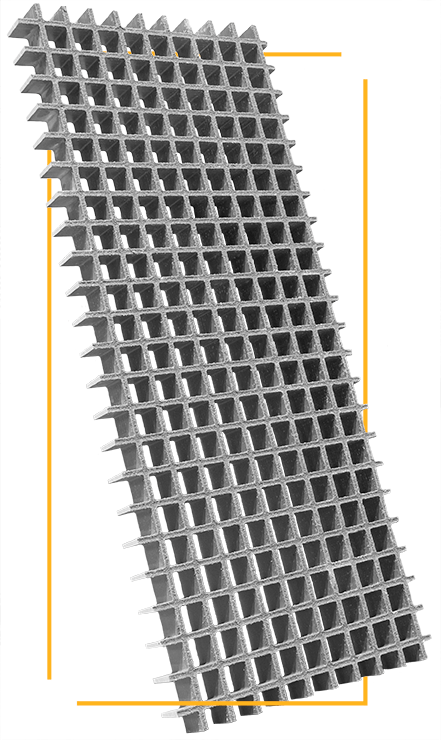
Long shelf life
High strength and no corrosion ensure a long service life.
Security
Fiberglass can be produced with a number of safety-promoting properties.
Flexible
The material is very versatile and can be adapted to most applications.
LOW WEIGHT
A lightweight material is versatile, easy to handle and work with. It requires less transportation, is easy to transport and install on site and keeps costs down.
HIGH STRENGTH
Fiberglass has a favorable combination of high strength and low weight.
This makes it suitable for a variety of applications – it can withstand loads while being easy to handle and transport. It is precisely this combination that makes fiberglass an attractive alternative to more traditional materials such as steel and aluminum.



No corrosion
The fiberglass can be used in demanding environments without corroding. The material can be exposed to moisture, harsh weather and chemicals for long periods of time and will still perform optimally.
fsafasfafasas
Maintenance-friendly
The material requires minimal maintenance, even in the most corrosive environments. Less maintenance means less work, less use of preservatives and chemicals, and reduced costs. fffsdfsdfsdfssdfsdfsds
Long life
High strength, stability and resistance to corrosion make fiberglass a long-lasting and durable solution. In situations where other traditional materials would wear out, fiberglass can be a more viable alternative.
RESIN
Resin is one of the two essential parts of the composite products we offer. The resin is the substance that is reinforced with glass fiber to give the material the desired properties. There are many different types of resins used in the production of composites. Most of our products are made with polyester, vinyl ester or phenol.
Polyester
Polyester is the most commonly used type of resin. It is a versatile and affordable material with a number of advantages, and works well in combination with glass fibres. The flexibility and properties of polyester make it suitable for most applications. Glass fibre reinforced composite with polyester is often abbreviated as GRP.
Vinyl ester
Vinylester has many similarities to polyester, but there are also differences in how it is produced and how it performs. Vinylester is recommended for applications where high demands are placed on corrosion tolerance and load. Composites with vinylester use the abbreviation GRVE.
Phenol
Phenol is ideal when high safety requirements are placed on fire, explosions, smoke emissions and toxicity. The substance has outstanding fire retardant properties, is resistant to heat and chemicals and is electrically and thermally insulating.
SECURITY
Fiberglass also has many safety benefits. The material is electrically insulating and is frequently used where there is a risk of impact damage. Fiberglass can withstand high temperatures, is thermally insulating and can be manufactured with fire retardant properties, which is why fiberglass is used in markets such as oil, gas and industry.
ANTI-SLIP
Fiberglass products can be customized with anti-slip. The surfaces can be produced with sand which reduces the risk by providing good grip for both feet and wheels. How rough the surfaces are can be customized as desired. Fiberglass with anti-slip solutions is widely used and is a simple, stable and long-lasting solution against the risk of slipping.
FIRE PROPERTIES
Fire retardant
Resin types such as polyester and vinyl ester are flammable. To make our products safer, aluminum trihydrate is added during production, which has a fire-retardant effect. In addition, the glass fibers themselves are non-flammable, which helps reduce potential risk. The exception is the resin type phenol, which is completely non-flammable and does not require a fire-retardant component.
Self-extinguishing
If a fire occurs, the resin in the material can catch fire with the surroundings, but the fiberglass is self-extinguishing. All that is needed is to extinguish the source of the fire. Once the source is dealt with, the fiberglass will extinguish itself after a short time.
Low flame spread
The fiberglass is tested according to ASTM E84-2018. The material has been tested on two factors: how much flame spread and how much smoke is emitted. The fiberglass delivers a low flame spread score of 15 and a smoke development value of 400-450.
FLEXIBLE
Flexibility is yet another advantage we can add to the list of good reasons to choose fiberglass. Fiberglass is still associated with old boats, but the material is and can be so much more. The material itself is versatile, elastic but at the same time durable. Fiberglass can be adapted to most applications, and can be shaped into countless different types of profiles that will fit any specification. It is the combination of all the properties that makes fiberglass a sought-after solution. The properties of the material mean that fiberglass can be used as an alternative in a number of areas where other traditional materials are not sufficient.
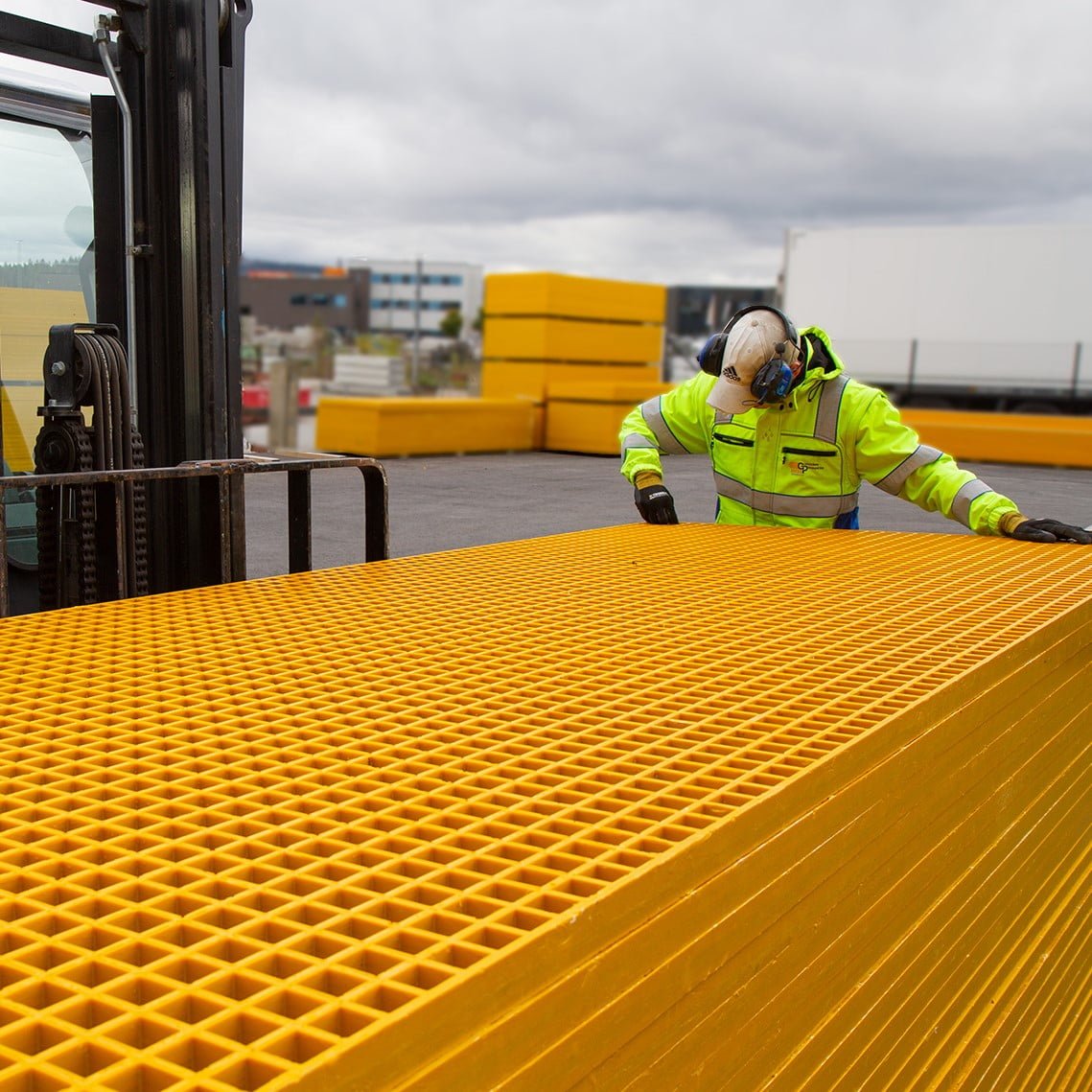

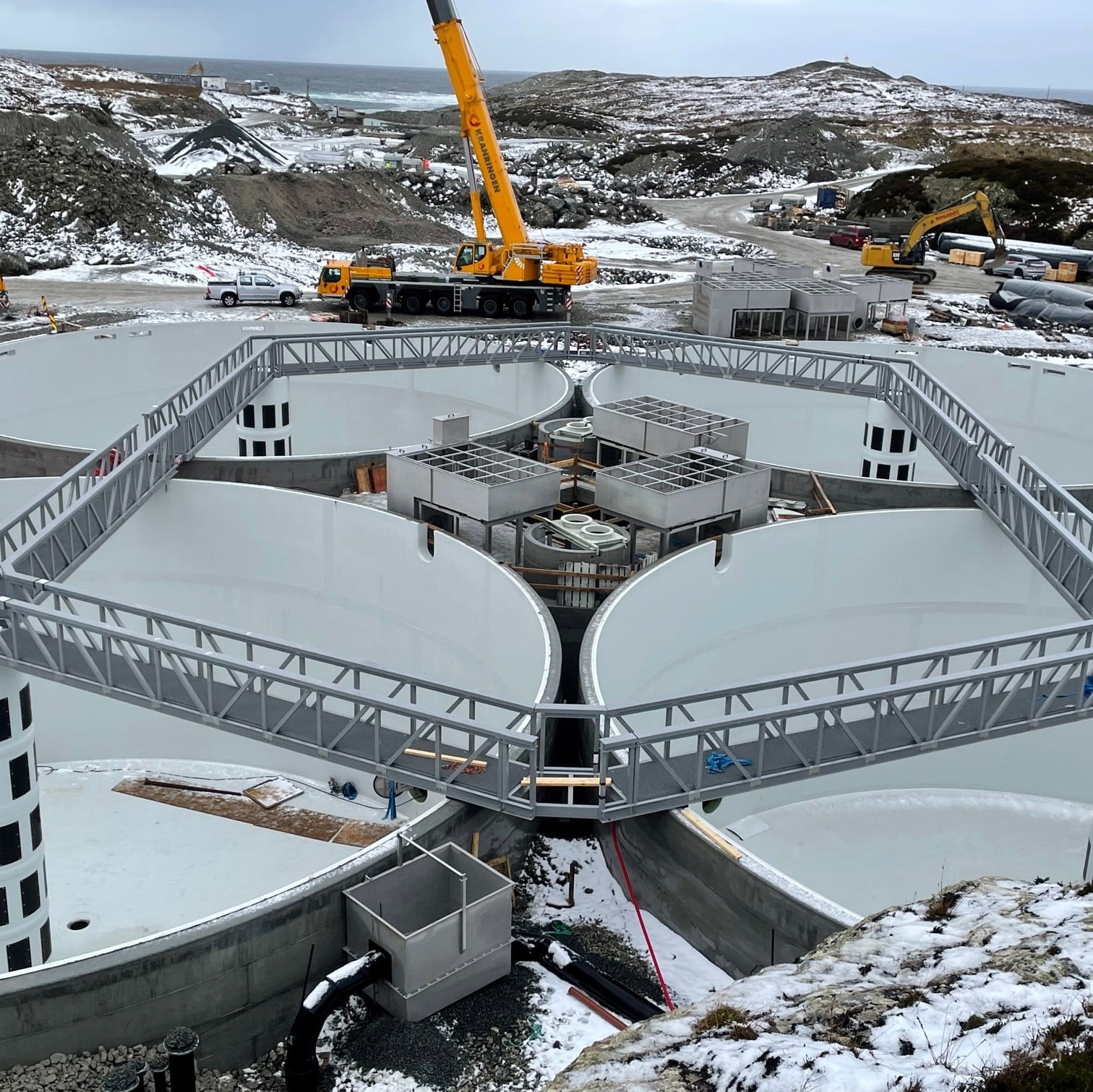
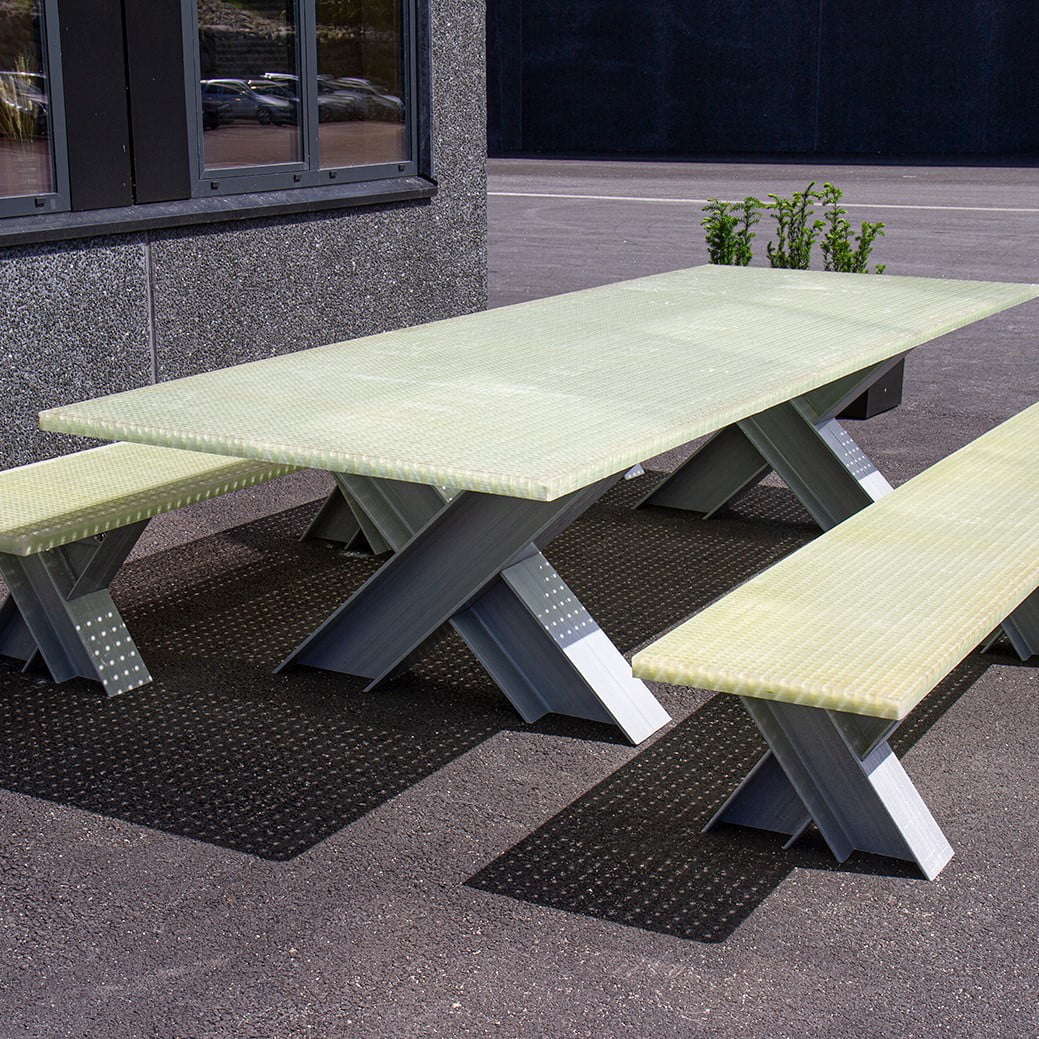
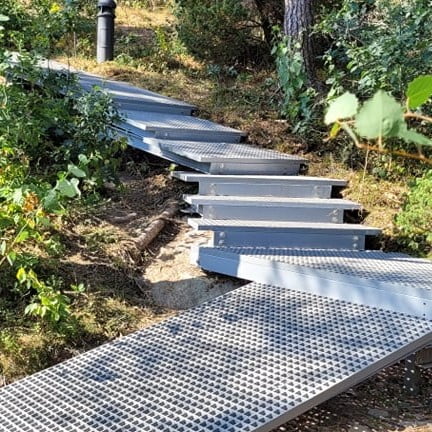
We now know how beneficial it is to have products made of fiberglass, but how are they actually made?
Composite material
Fiberglass is a composite material, which means it is made up of several components.
For fiberglass this is:
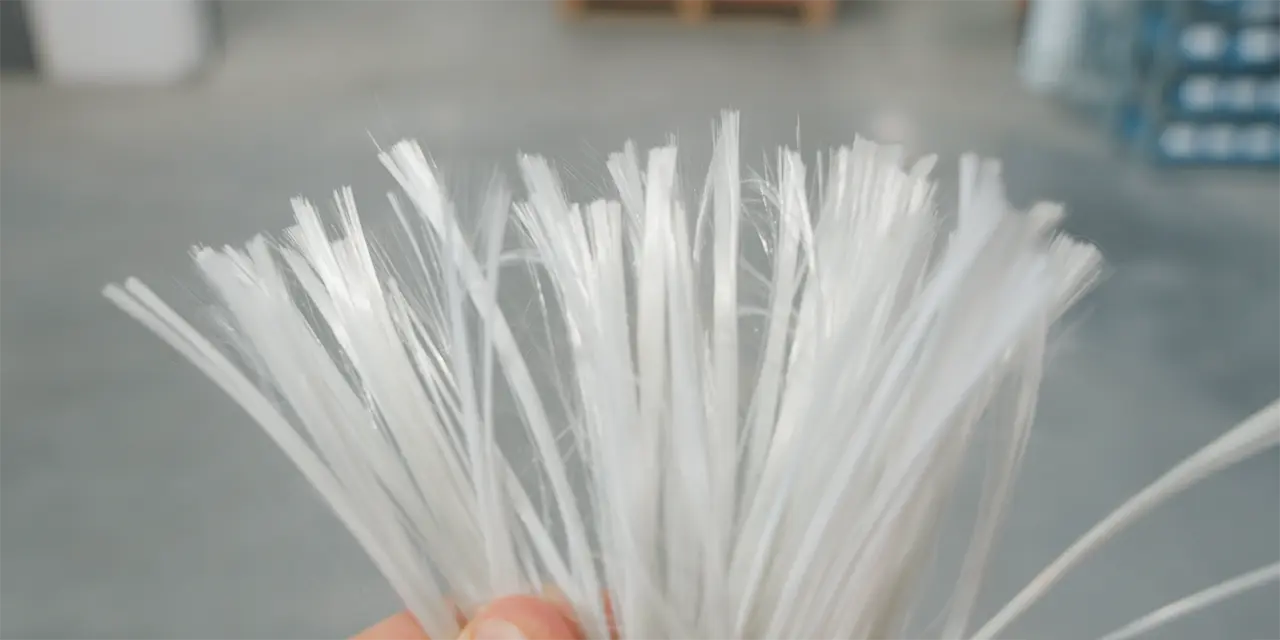
The glass fibers (reinforcement)
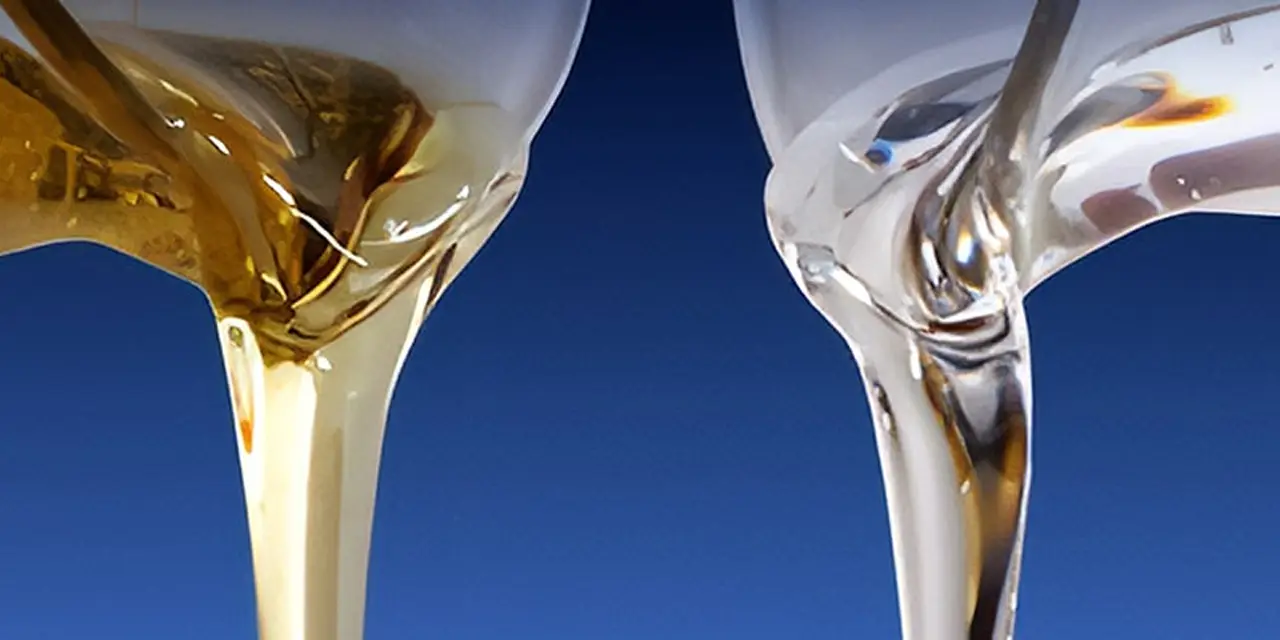
Binder (resin)
The fiberglass
We'll take a look at the glass fibers first.
These are obtained by melting glass which is then pressed through tiny nozzles.
From this, microscopically thin threads or fibers are obtained.
This is what we call glass fibers. Already at this stage of the process, the fibers are durable, but lack solid properties.
The binder
This is where the binder comes into play.
The binder binds the fibers together and gives them a protective layer.
It is now that the production of the actual product to be made from the fiberglass begins.
Various production methods are used to shape the fiberglass into the desired product.
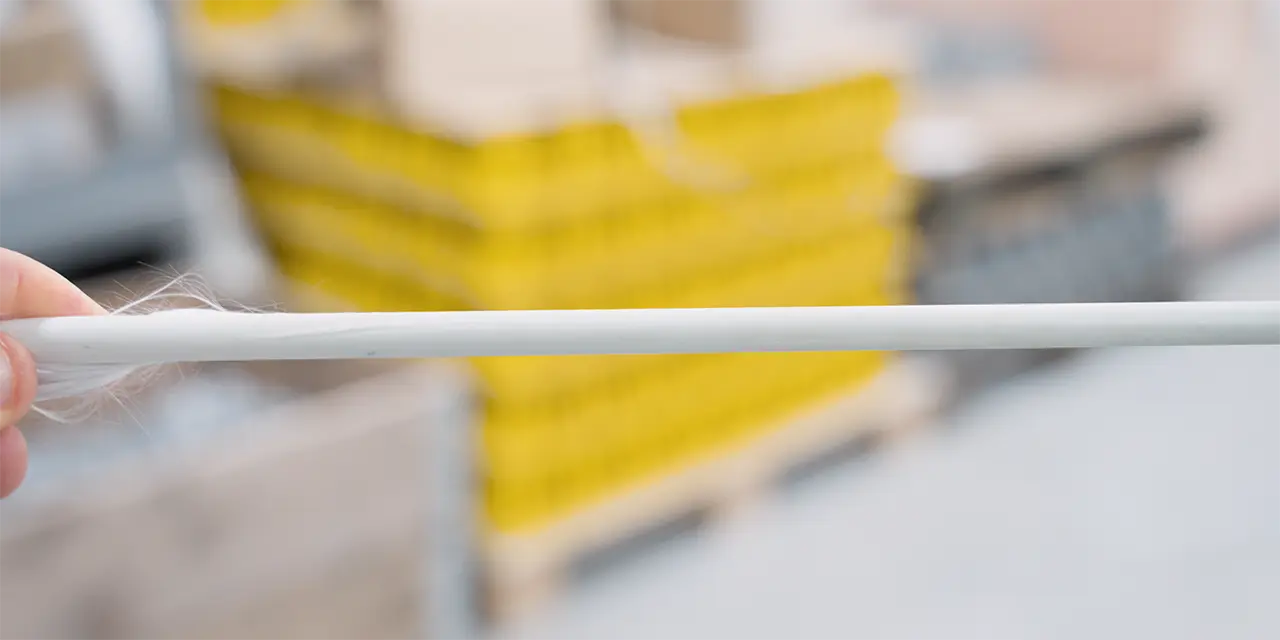
We also made a video about this very topic, check it out here!