Services
We are experts in fiberglass and offer a wide range of services from drawing to installation.
Products
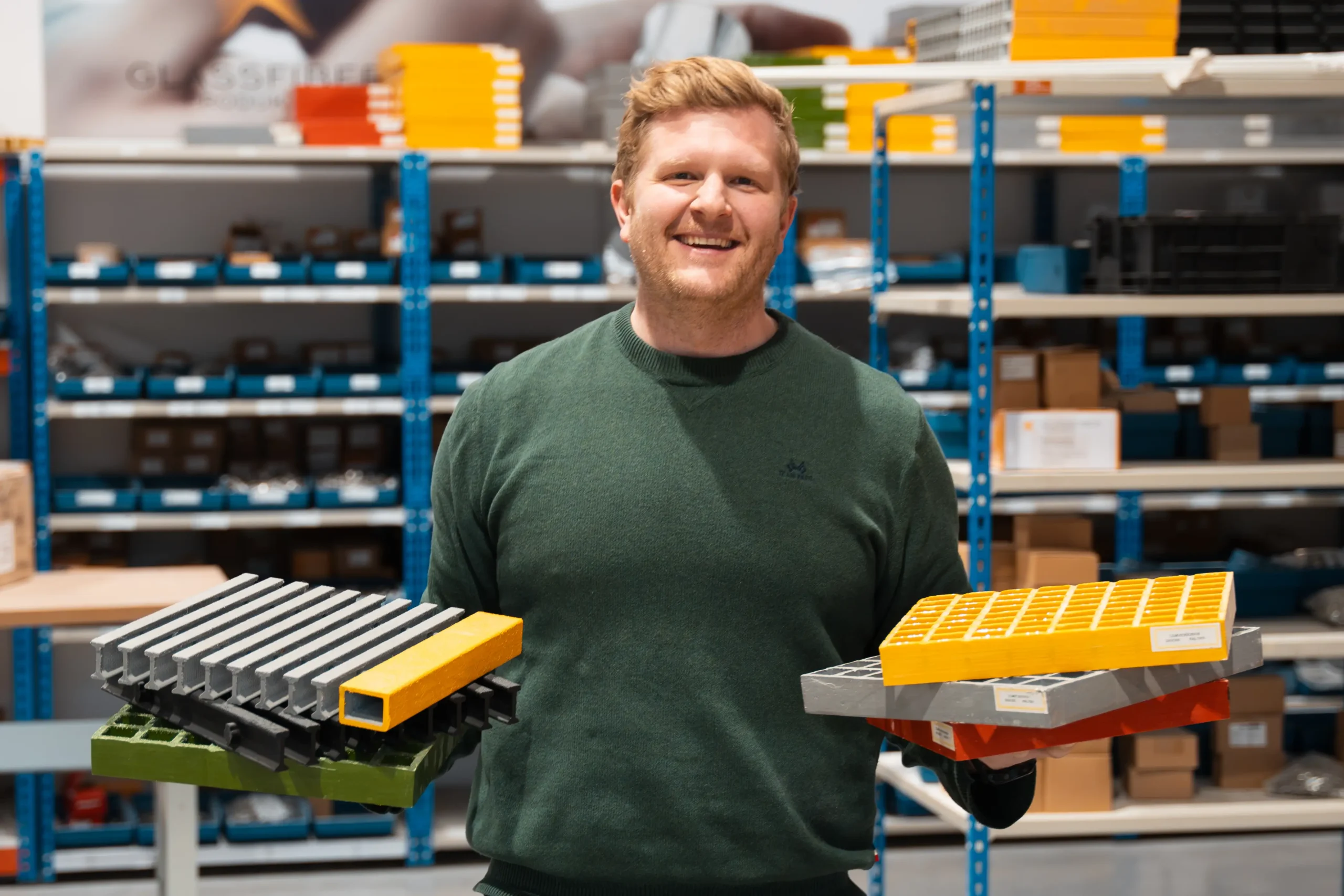
We offer hundreds of fiberglass products.
Markets
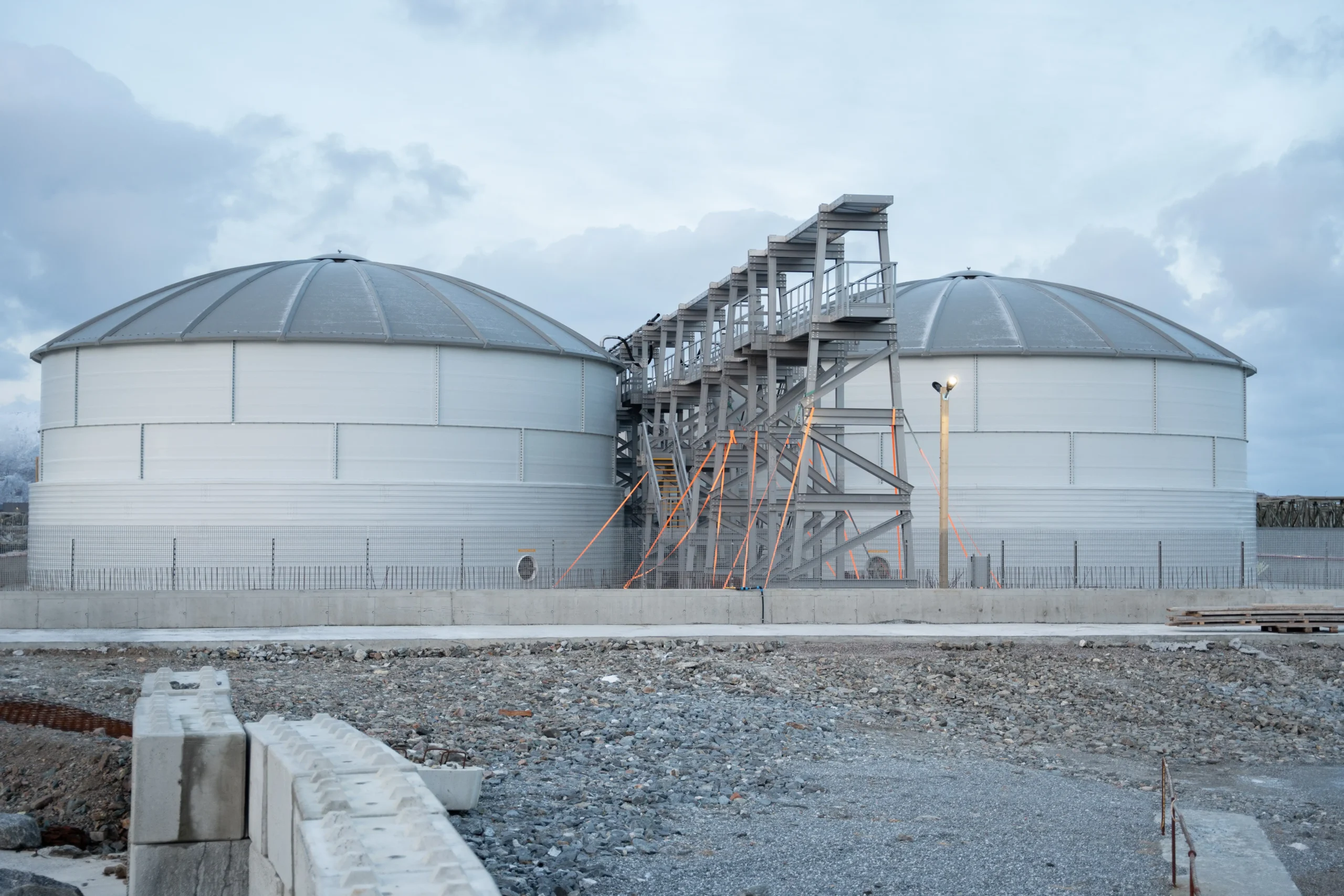
We offer solutions suitable for several markets with strict requirements and challenging conditions.

Collaboration with UiS strengthens knowledge about fiberglass
Glassfiber Produkter AS is Norway's leading supplier of structures manufactured from fiberglass. With deep expertise in fiberglass, we not only want to offer products and structural solutions, but also to spread knowledge about the material's unique properties and applications. This winter we have entered into an exciting collaboration with UiS, where students write their Bachelor's and Master's theses on fiberglass. To ensure that they get the best insight, we assist them with our technical expertise and practical experience.
Lack of knowledge about the material
The collaboration between UiS and Glassfiber Produkter AS began on the initiative of Professor Sudath C. Siriwardane and Samdar Kakay, who have long seen a lack of knowledge about fiberglass in the education sector. Together with the students, they have prepared Bachelor's and Master's theses that will explore and illuminate various aspects of the material's properties and applications.
Despite the fact that fiberglass has been used in a number of industries for decades, it is still poorly integrated into technical education. Glassfiber Produkter AS, with over 20 years of experience from various markets, is in a unique position to contribute to students' research and give them a practical understanding of the material. Several of our employees themselves have education from studies in civil engineering, construction and mechanical engineering at UiS.
We are continuously working to explore and develop innovative ways to utilize the fiberglass material, and the findings from these studies will be a valuable resource in this work.
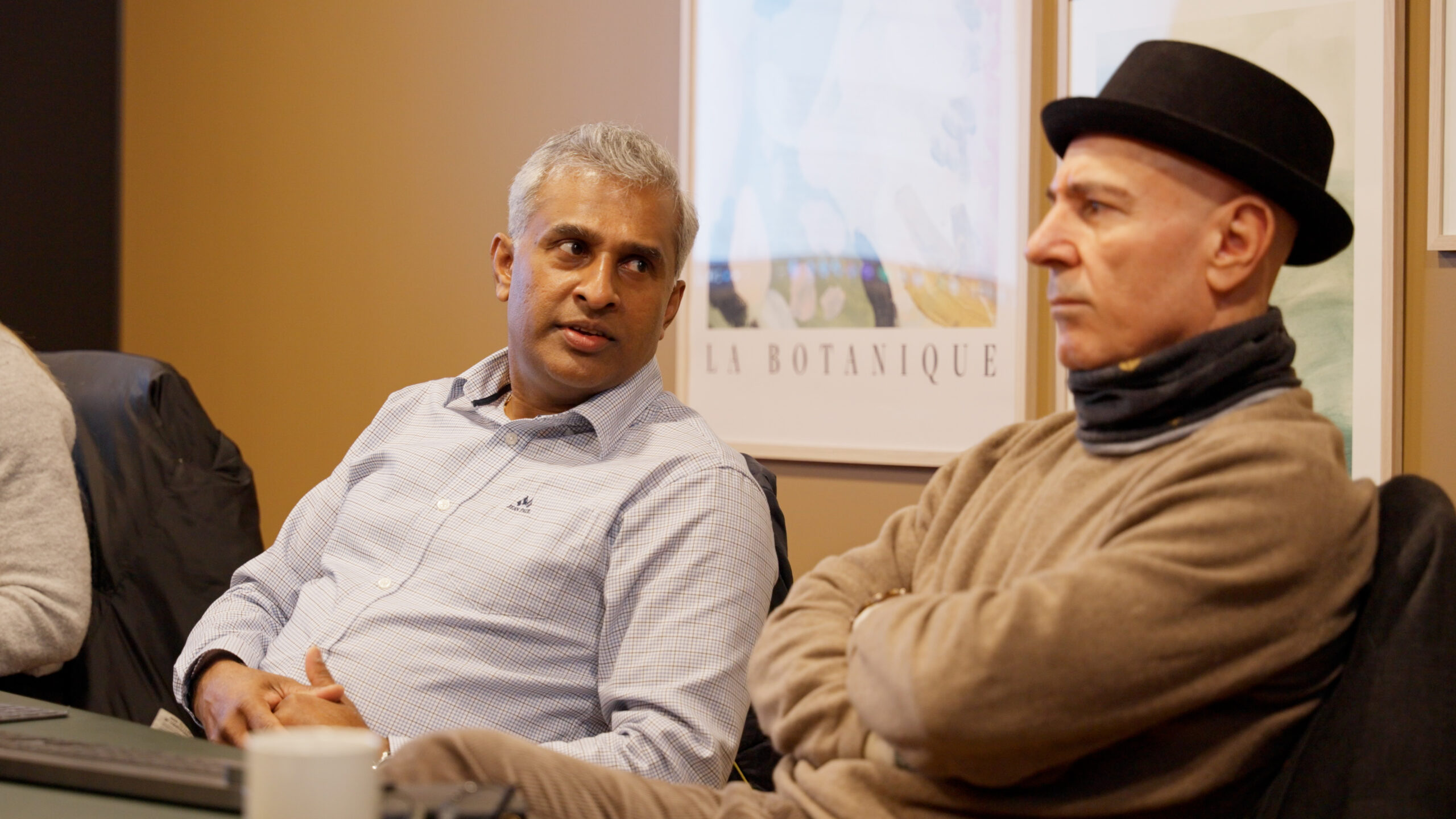
An introduction to the world of fiberglass
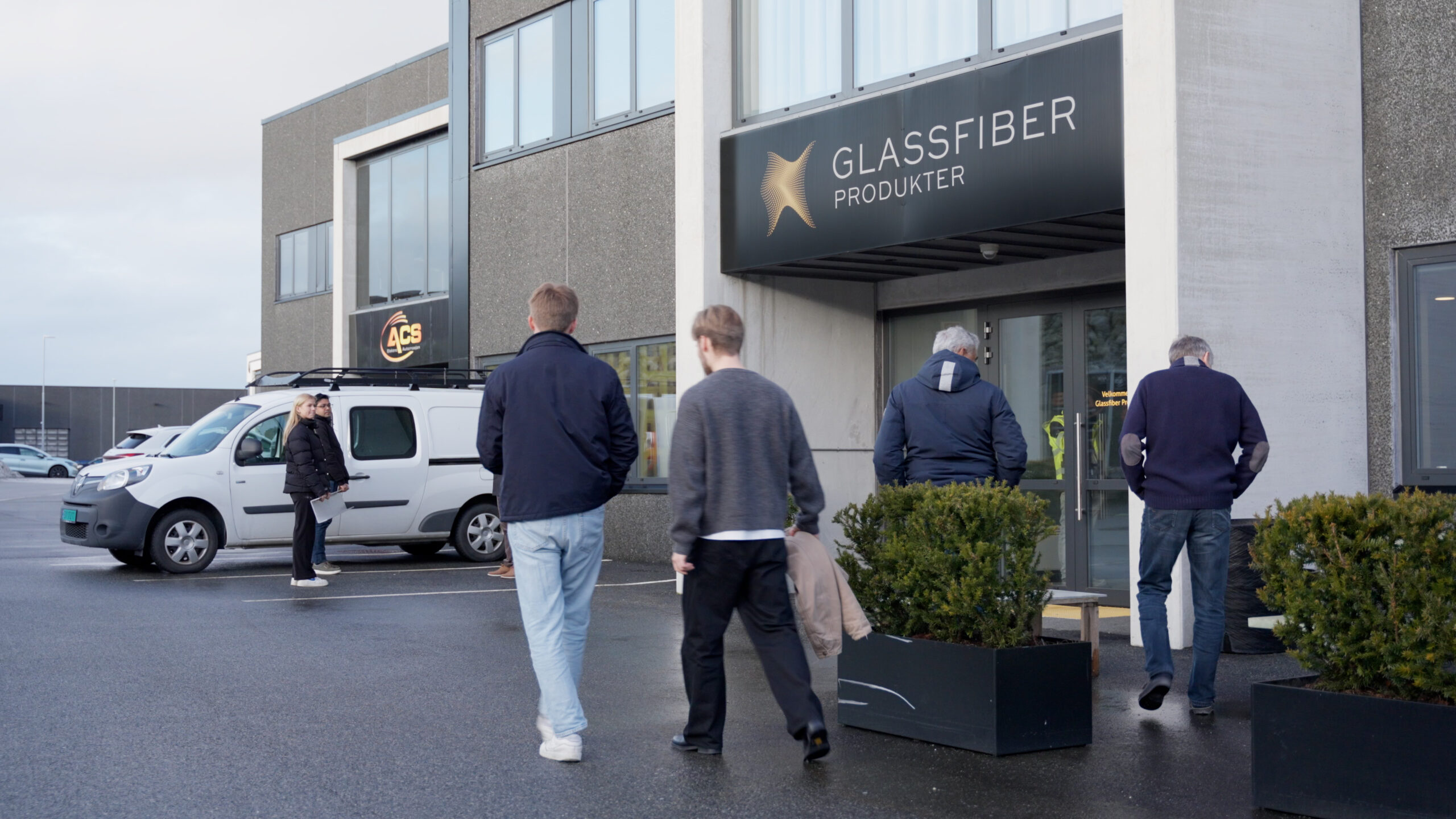
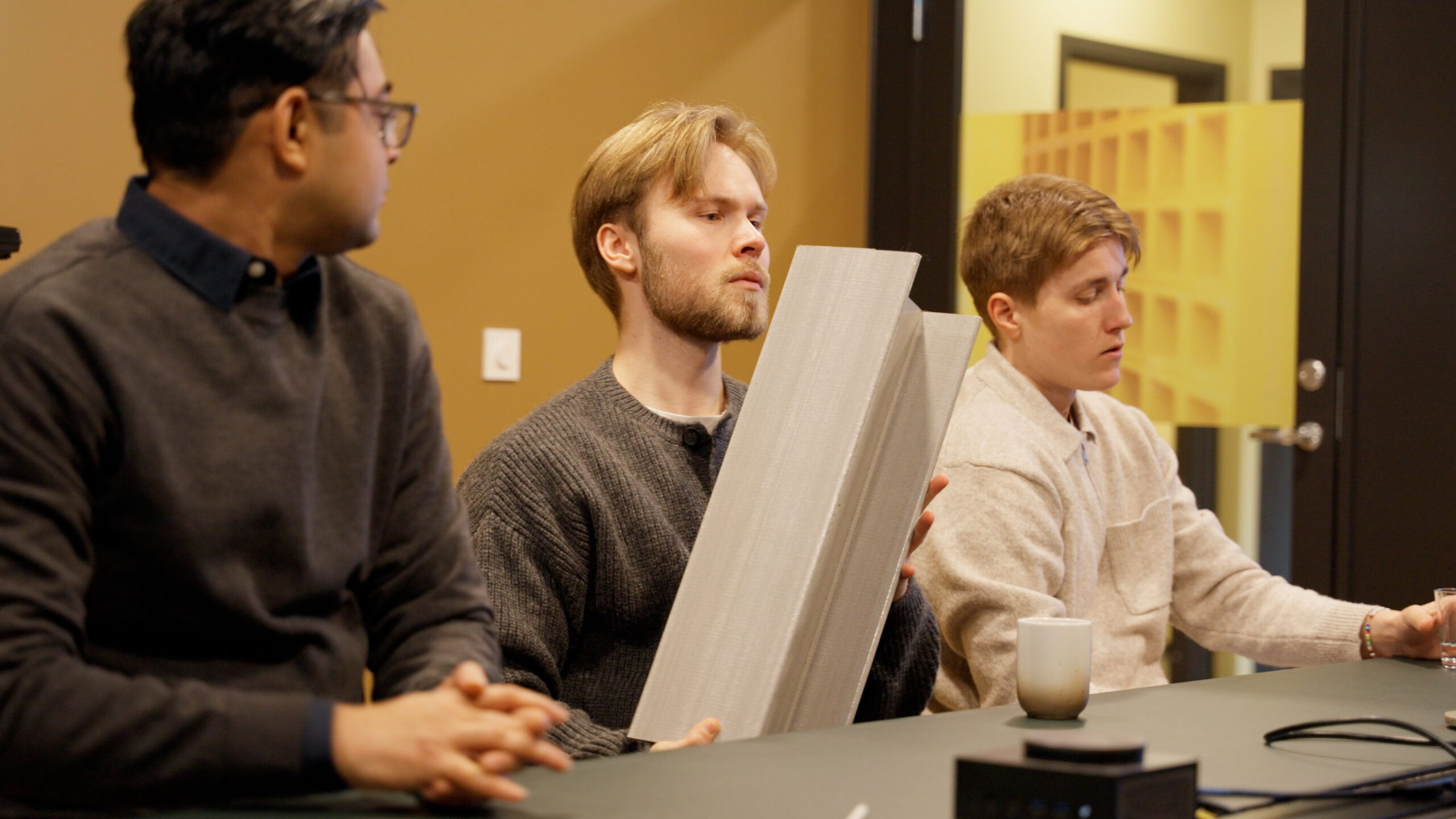
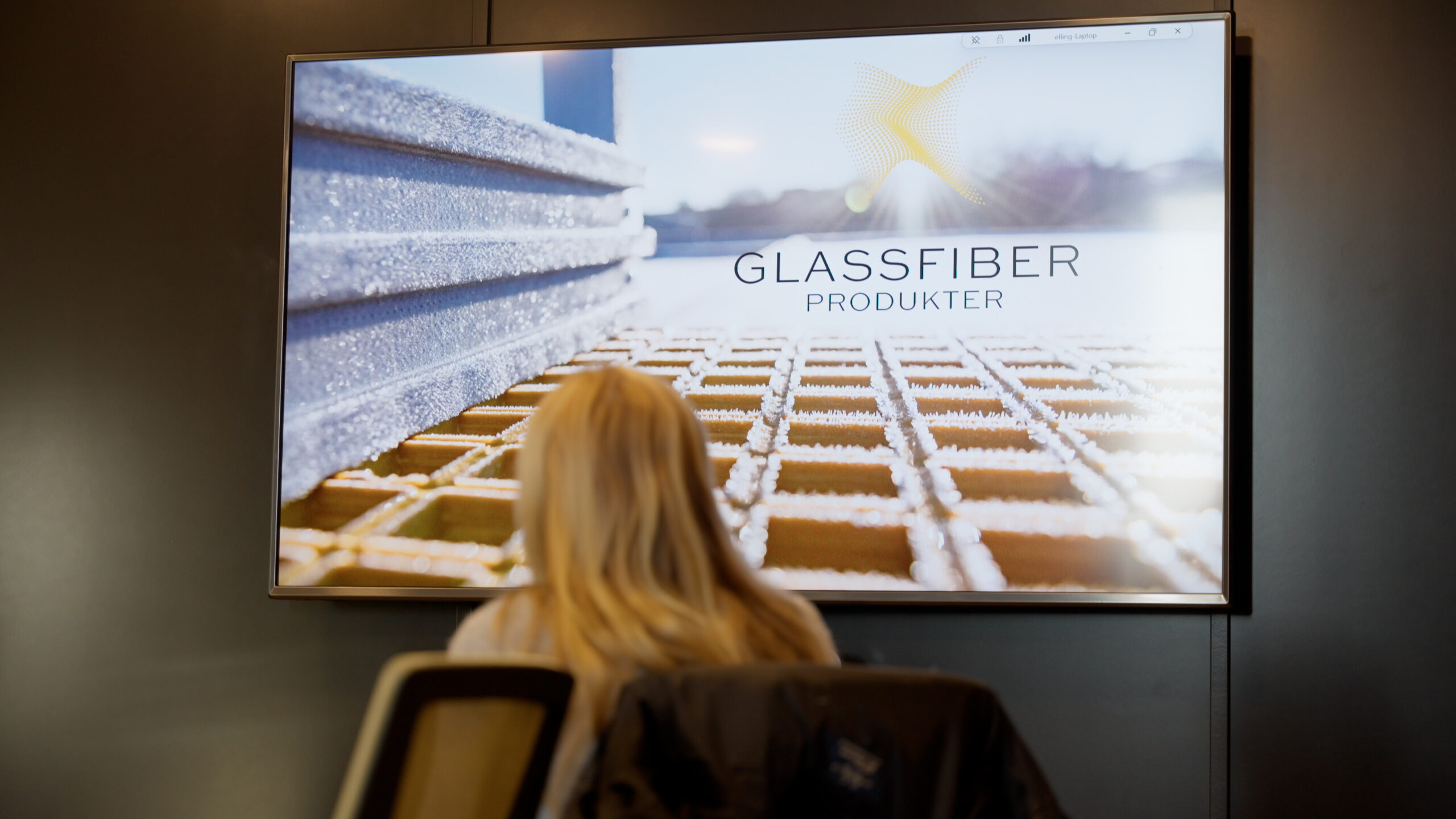
The collaboration was officially launched with a kickoff meeting at our premises in Kvernaland. Sudath, Samdar, and the four students attended, where they received a thorough presentation of the company and a tour of our office and workshop premises.
In this meeting, we also got to know the four students participating in the project, each with their own unique research focus:
- Mathilde Vallestrand Berg – Exploring the capacity of different joining methods in fiberglass structures through his Bachelor's thesis.
- Taj Muhammad Tanmoy – Conducting a structural analysis of 20-25 meter long fiberglass bridges as part of his Master's thesis.
- William Omdal Ødegaard & Eirik Dragsten Ellefsen – Analyze the economic and environmental consequences of using fiberglass over traditional materials in their Bachelor's thesis.
From theory to practice
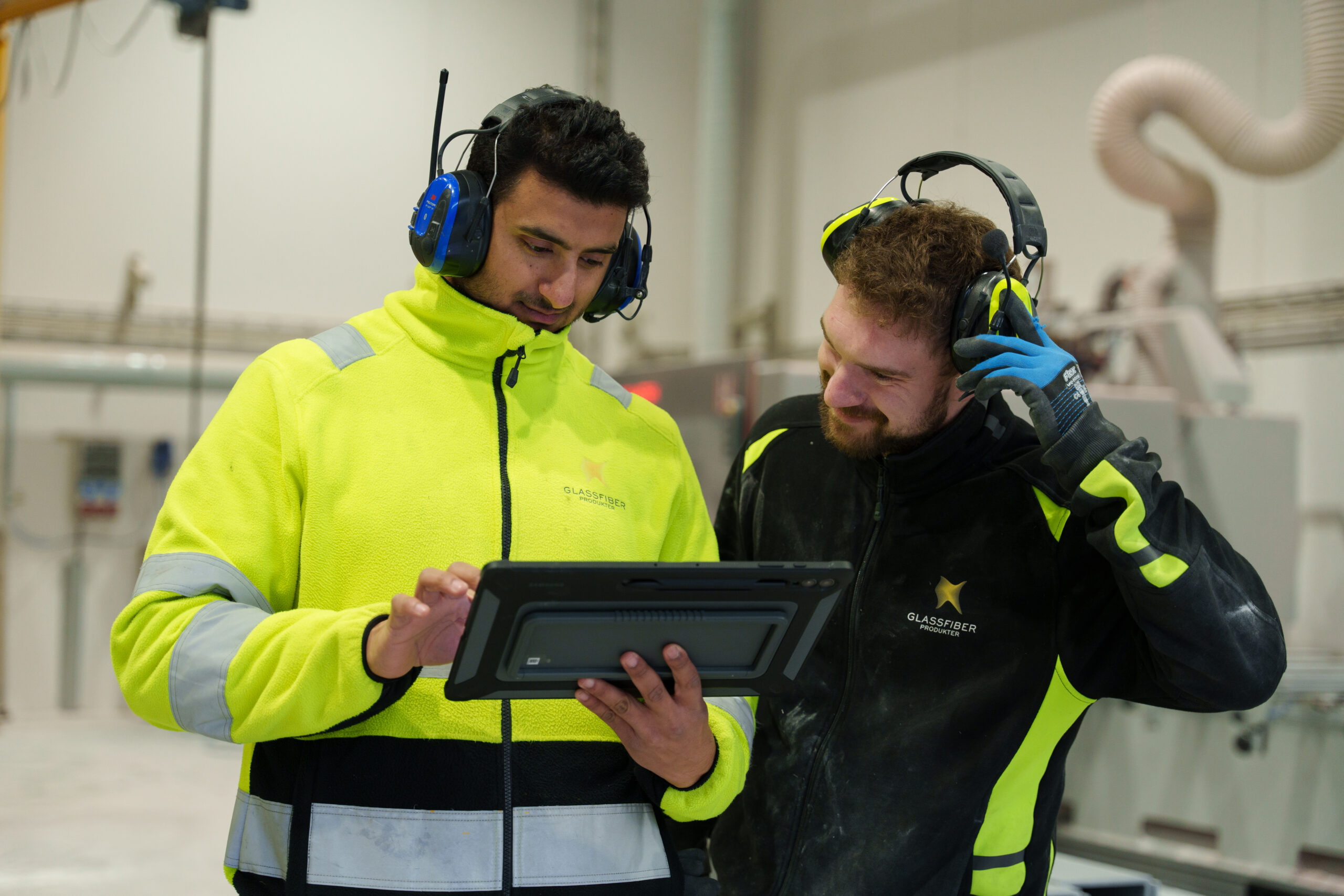
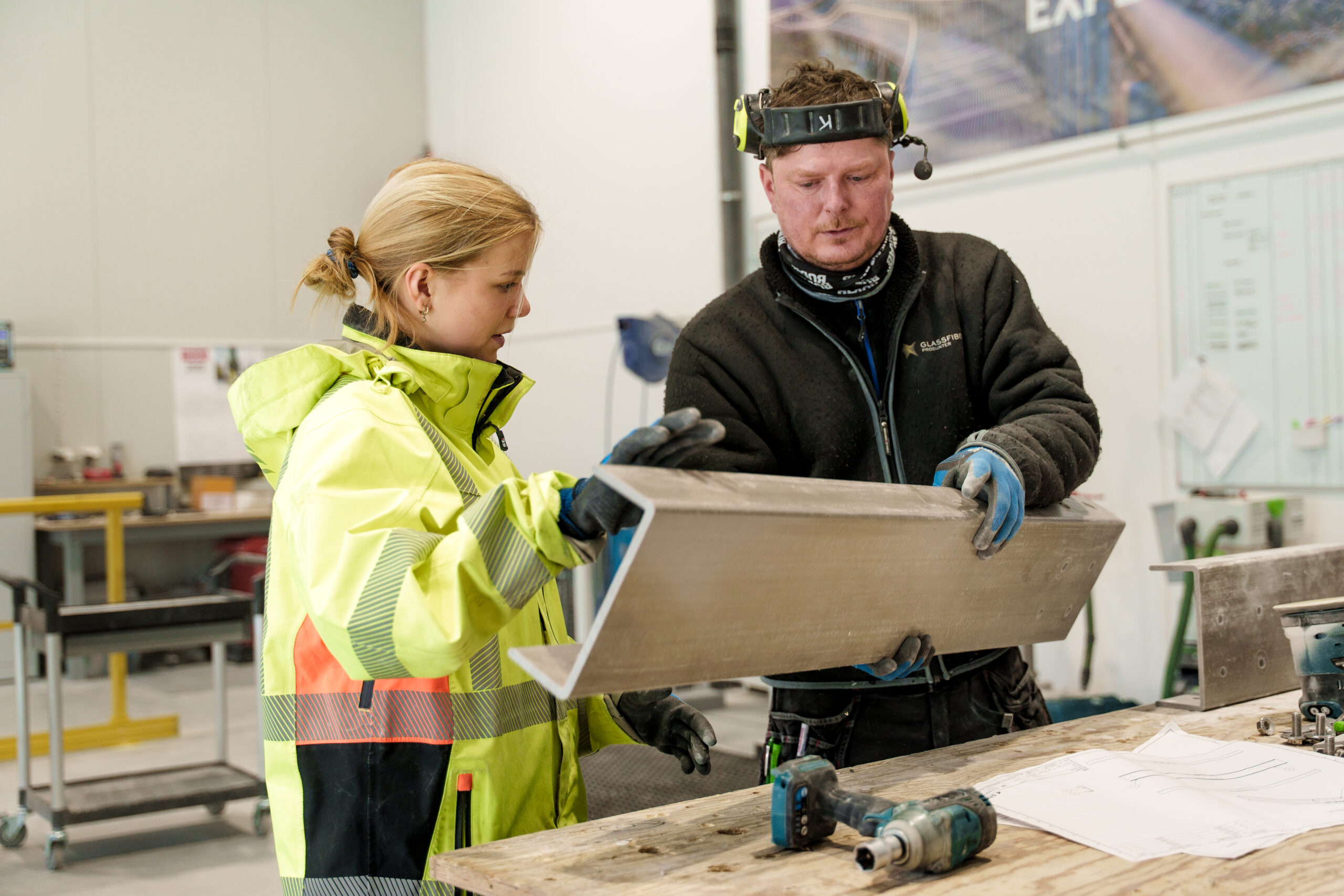
During the kickoff meeting, it became clear that we could contribute to Mathilde's assignment by giving her the opportunity to carry out practical work with us. This gave her valuable hands-on experience with joining methods for fiberglass structures.
Together with our production employee Krystian, she produced eight joined fiberglass profiles:
- 4 pieces joined with glue
- 4 pieces joined with acid-proof steel bolts
Fiberglass profiles are usually supplied in standard lengths of six meters. When longer structures are required, profiles must be joined. Mathilde's research will provide insight into how different joining methods affect the strength of the material under load. The actual testing takes place at the University of Stavanger, but the production was carried out in-house.
We have an ongoing dialogue with students and professors through email and telephone, where we guide and follow up on their work along the way.
A collaboration for the future
We are proud of our new collaboration with UiS, which for us will be an important part of our work to spread knowledge about the fiberglass material. Through this project, we connect academic research with practical experience, which gives students valuable insight and at the same time contributes to the development of new solutions in the industry.
The collaboration also strengthens our commitment to promoting the use of fiberglass in various markets. In recent years, we have been central to the development of the aquaculture industry, where fiberglass material has been truly embraced. The industry has seen the benefits of the material's low weight, corrosion resistance and durability, which has opened up new and exciting applications.
This collaboration not only gives the students valuable experience, but also helps us explore new methods and applications of fiberglass in practice. We look forward to following the students' work and learning from their results. Who knows? Maybe their findings will play a role in how fiberglass is used in future projects.