
Corrosion is a natural process that affects materials, primarily metals, and leads to their deterioration over time. This not only affects the structural integrity and lifespan of the materials, it also leads to significant costs due to maintenance and repairs. Why does it happen, and can we do anything to avoid it?
Why does it happen?
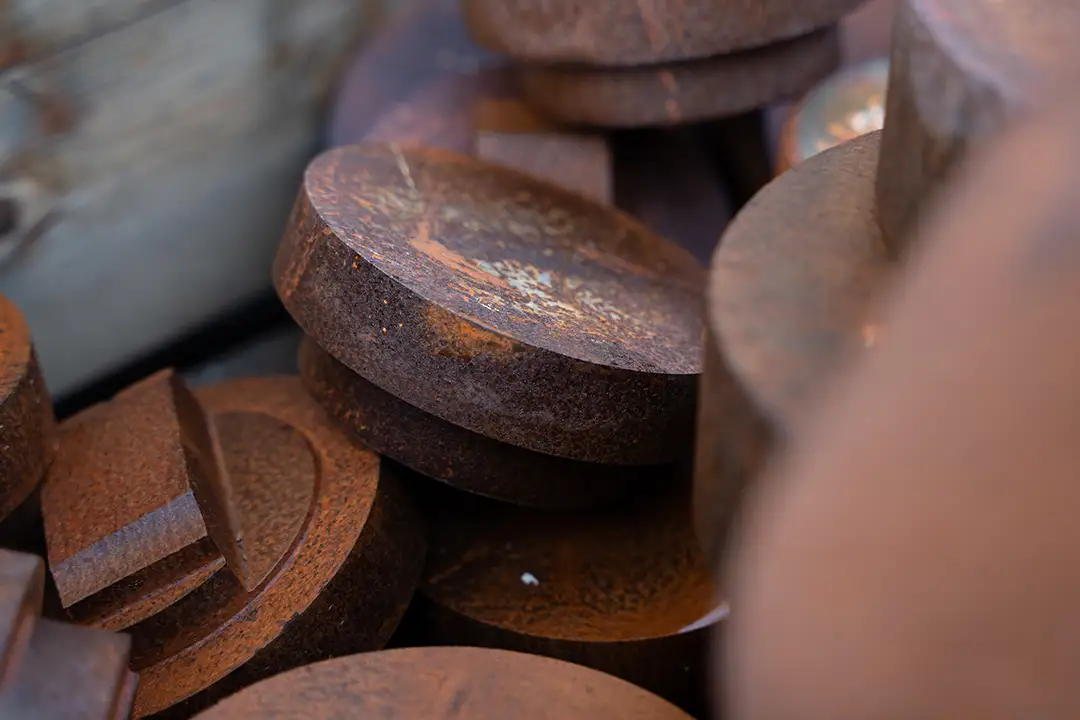
Simply put, corrosion is the deterioration of materials through a reaction with their environment. The construction industry often uses metals that react with oxygen, water and other chemical elements. This leads to the formation of oxides or other compounds – a process we know as corrosion. Oxygen is always present in our environment, which means that the corrosion process is practically always ongoing, although it often occurs very slowly.
The natural reaction between metal and oxygen is usually not a major problem in itself. However, there are several factors that can significantly accelerate corrosion. Water plays a key role in transforming the reaction into a faster electrochemical process. The composition of the water also matters – whether it is moisture in the air, seawater or water containing dissolved salts or acids.
What the environment means for corrosion
Environmental factors play a crucial role in determining the rate of corrosion. Materials exposed to a harsh climate will corrode at a higher rate.
Below is a list of corrosive environments ranked from least to most corrosive:
- Dry air: Where oxygen alone can cause corrosion, but at a much slower pace.
- Humid air: Humidity in the air accelerates corrosion.
- Seawater: The presence of salts significantly increases the corrosion rate.
- Industrial environments: Where acids and chemicals are present, leading to highly corrosive conditions.
In addition, temperature is a critical factor. Higher temperatures increase the rate of chemical reactions involved in corrosion. Even a small increase in temperature can lead to an accelerated corrosion rate.
Galvanic corrosion
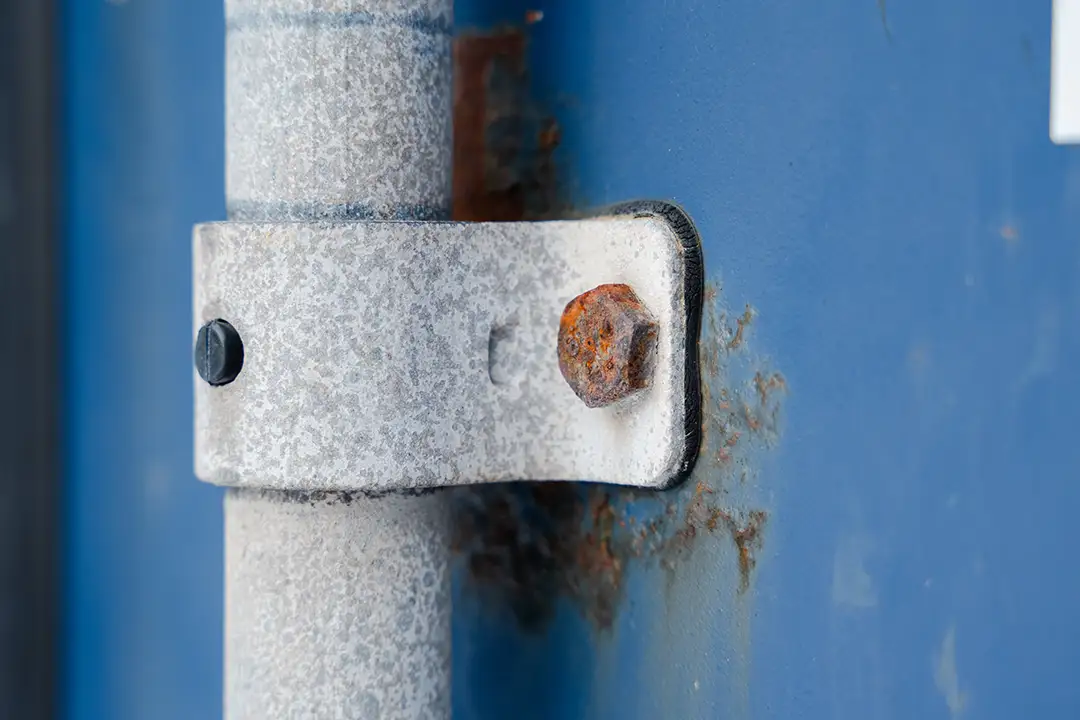
Another consideration to consider when it comes to corrosion is galvanic corrosion. This occurs when two different types of metals touch each other in the presence of something wet, such as water. This causes one of the metals to corrode more quickly than it would on its own. This is because each metal has its own 'electric potential', a natural tendency to either lose or gain electrons. When two metals with different potentials are connected in a wet environment, an electrical circuit is formed, and current flows from the metal with the higher tendency to lose electrons (anodic), to the one with the lower tendency to lose electrons (cathodic).
Understanding galvanic corrosion is crucial, especially in mixed metal projects exposed to humid environments. By considering the electrochemical relationships between different metals, we can design structures and systems that avoid galvanic corrosion, ensuring longevity and structural integrity. Galvanic corrosion can also be circumvented by using a non-corrosive material. For example, a material such as rubber or plastic can be placed between two metals to insulate them, and to avoid any form of contact and therefore reactions.
What can be done to avoid corrosion?
Although it may seem inevitable, there are effective strategies to reduce corrosion and protect materials:
Material selection
Choosing the right materials for the right environment is key. Corrosion-resistant alloys, stainless steel, and non-metallic alternatives such as plastic and fiberglass offer excellent resistance in a variety of corrosive environments. Fiberglass offers natural corrosion resistance as it is made from only non-corrosive components.
Protective coating
Applying protective coatings such as paint, plastic, or even another metal creates a barrier that prevents corrosive elements from reaching the material surface.
Environmental control
Controlling the environment around exposed materials can greatly reduce corrosion. Avoiding a highly corrosive environment such as that found near salt water can greatly increase the lifespan of nearby materials.
Regular maintenance
Inspection and maintenance routines help identify early signs of corrosion, allowing for preventative repairs before significant damage occurs.
Design considerations
Designing structures and components with corrosion in mind can prevent problems before they start. This includes avoiding metal-to-metal contact and designing for easy and effective water drainage.
Knowledge helps with prevention
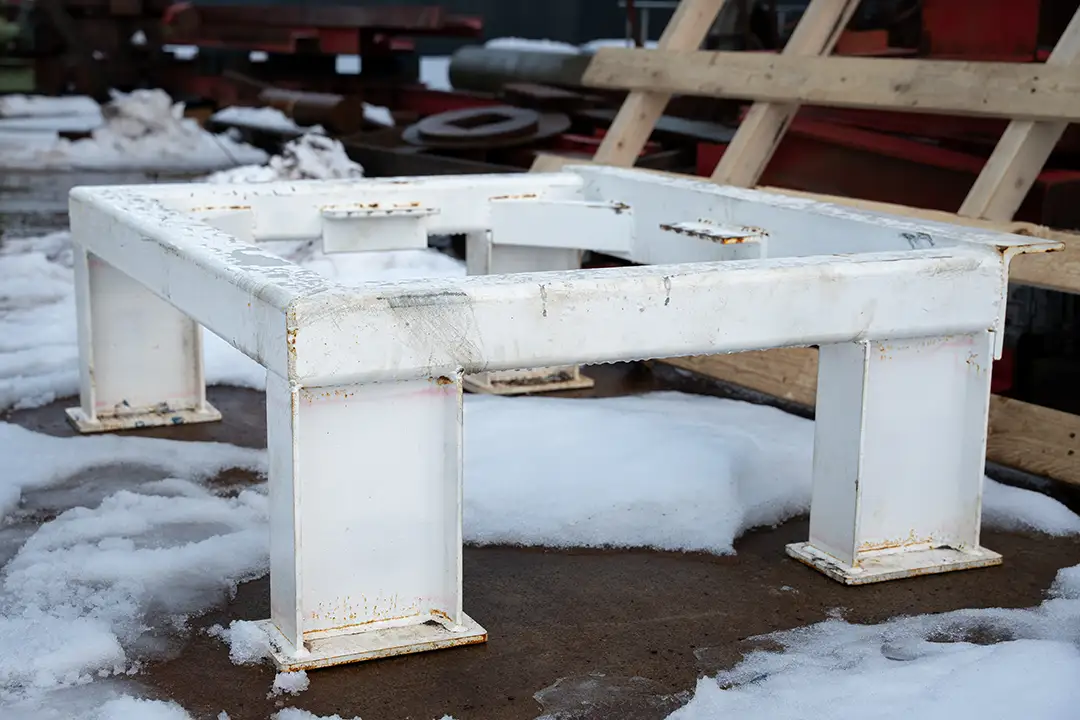
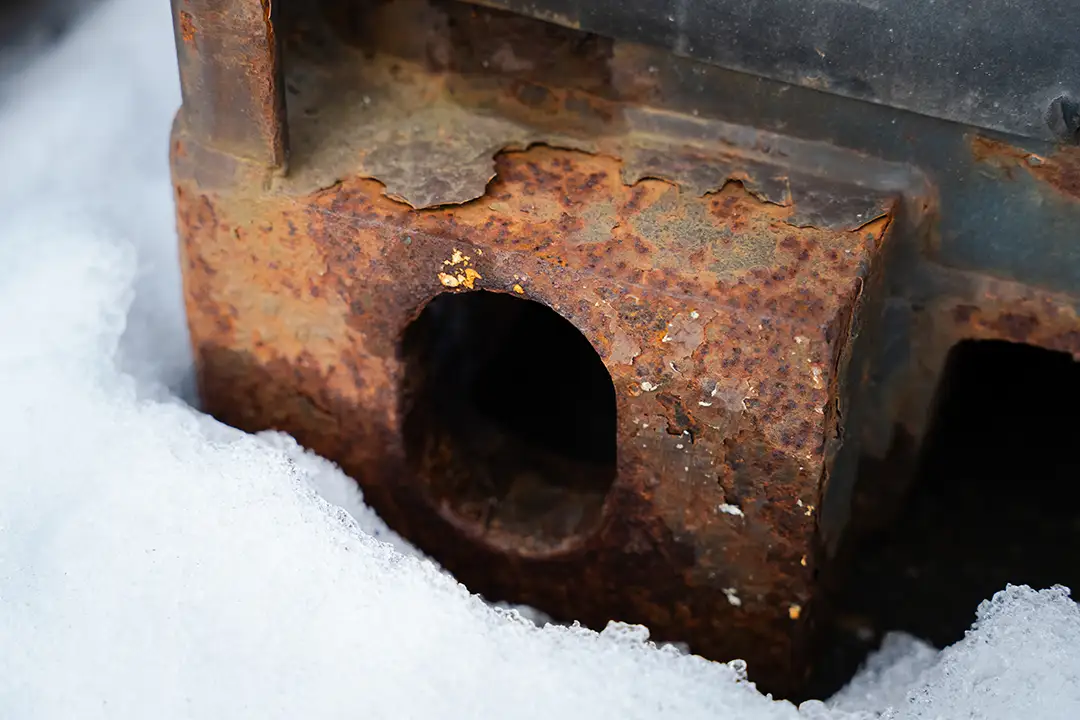
Although corrosion is a natural part of our environment, it is entirely possible to significantly reduce its impact with the right knowledge and strategies. By understanding the various factors that contribute to corrosion, we can adopt effective preventive measures that not only protect our valuable materials and structures, but also significantly extend their lifespan. This involves a thorough evaluation of the materials used, the environment they are exposed to, and the specific risks they face.
By choosing corrosion-resistant materials or protecting existing structures with coatings or by designing with corrosion prevention in mind, we can avoid the costly consequences of corrosion. This includes not only the direct costs of repair and maintenance, but also indirect costs such as loss of functionality and reduced safety.
Glassfiber Products AS on YouTube
We have also made a video about corrosion, watch it here!